

008. Originality Under Attack
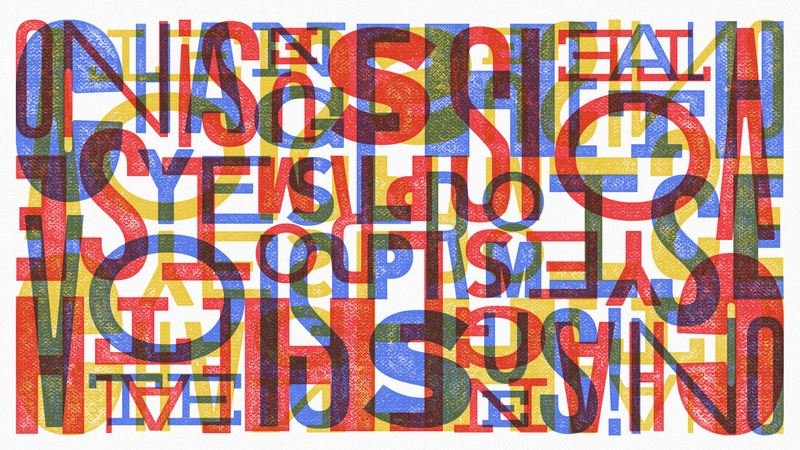
Pre-vis from ‘Friday Takeover’ for 5Live
Originality is a fragile thing, and it’s under attack!
I’ve been thinking a lot through this year about how we protect originality. The tech tools we have recently been gifted - Runway Gen‑4, Google Veo 3, Luma Dream Machine, LTX Studio, Adobe Firefly, Canva AI Video Generator, insMind, Kling AI, Synthesia, Veo, EditVerse, UniVA - have caused a shift in how original ideas are produced, challenging our creative ecosystem.
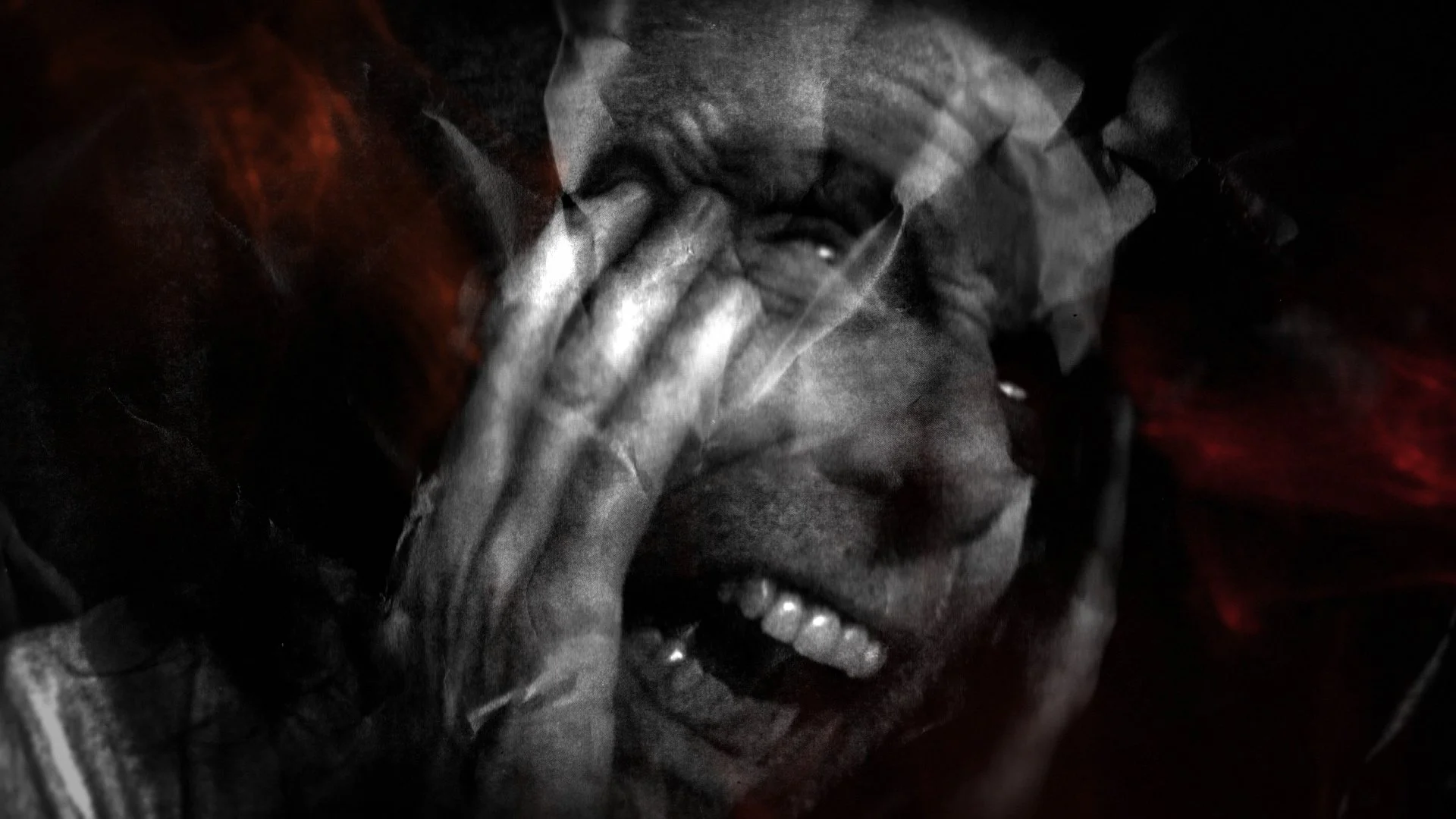
Still from ‘Airloom’ for The Wellcome Trust

Pre-vis from ‘Airloom’ for The Wellcome Trust
I think we can all agree that AI democratises creativity - anyone can type a prompt and receive something back - yet that same strength reveals what I think is its greatest weakness: when anyone can do it, you get back a whole lot of similar stuff. A whole lot of SLOP. Yes, AI democratises, but it also homogenises. It takes the whole of art history, reduces it to a statistical pattern, and produces work that sits somewhere within the cannon of everything that has come before.
Here’s a thought experiment: If a machine had access to the entirety of visual culture and was asked to create a single image, would it produce something truly new? Any output would be an averaged echo of the past. The model might recombine shapes in interesting ways, but it can only shuffle the deck it has been handed. To be genuinely original, you would almost need the opposite: a machine that had never seen any art at all.
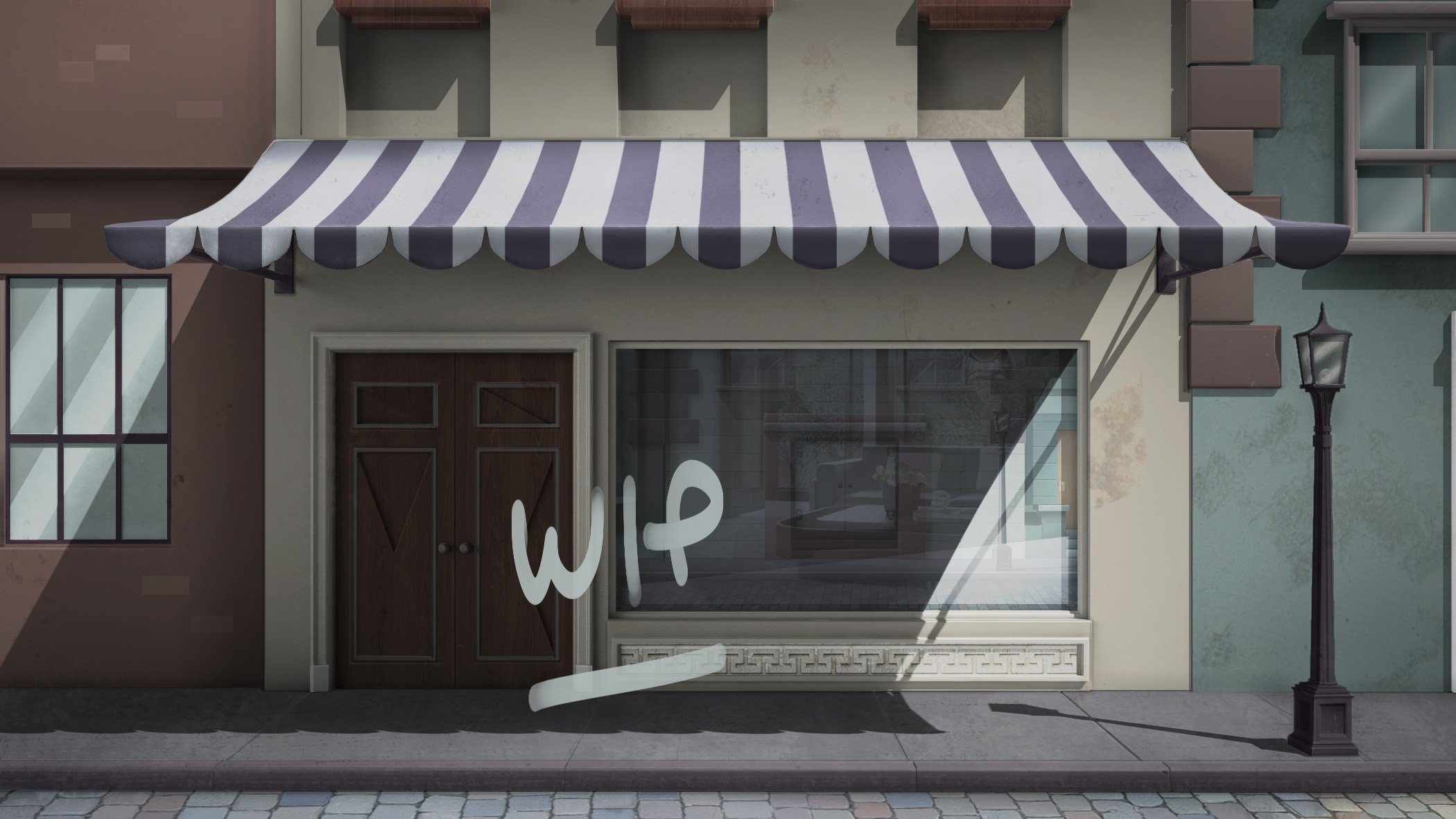
WIP from ‘A Little Grey’
This becomes the thread that runs through the tension we feel increasingly sharply in our own work at Beakus. Where do ideas actually come from?
For us, they grow from a mixture of experience and naivety. Experience gives structure: years of storytelling, animation craft, and collaboration form a set of instincts that help us judge what will resonate with a specific audience. We’ve seen enough to recognise what works (and just as importantly, what doesn’t). But naivety plays an essential counter-role. New voices bring strange angles, untested approaches, and an unfiltered sense of possibility. It’s exciting working alongside new directors who haven’t succumbed to conventions yet, or aren’t afraid to break them, and that’s why we’re both a director-lead studio, and open to new talent. The best ideas often come from this collision: experience offering clarity, naivety offering unpredictability. That meeting point is where originality tends to live.
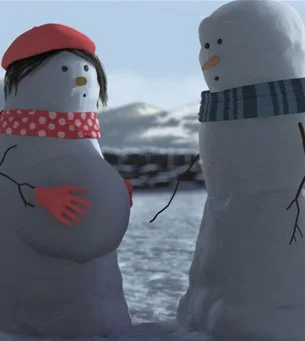
Still from a Beakus Christmas film
AI, on the other hand, doesn’t have lived experience, nor does it possess naivety. It simply has data - a lot of it - and produces whatever statistically makes sense. That’s why so much AI output looks competent but familiar. It carries the sheen of originality without the substance. It is the creative average of a million influences compressed into a single frame.
Because of AI, I think more than ever before message and opportunity have become vital. A project gains originality when it has a distinct viewpoint: a purpose, a narrative, a reason to exist. The moment we understand the message, we can anchor our creative choices to something specific rather than generic. A brief might follow a well-trodden format, but the tone, symbolism, or emotional intent can still be individual. AI can’t originate intention. Without it, everything AI makes trends towards the boring middle.
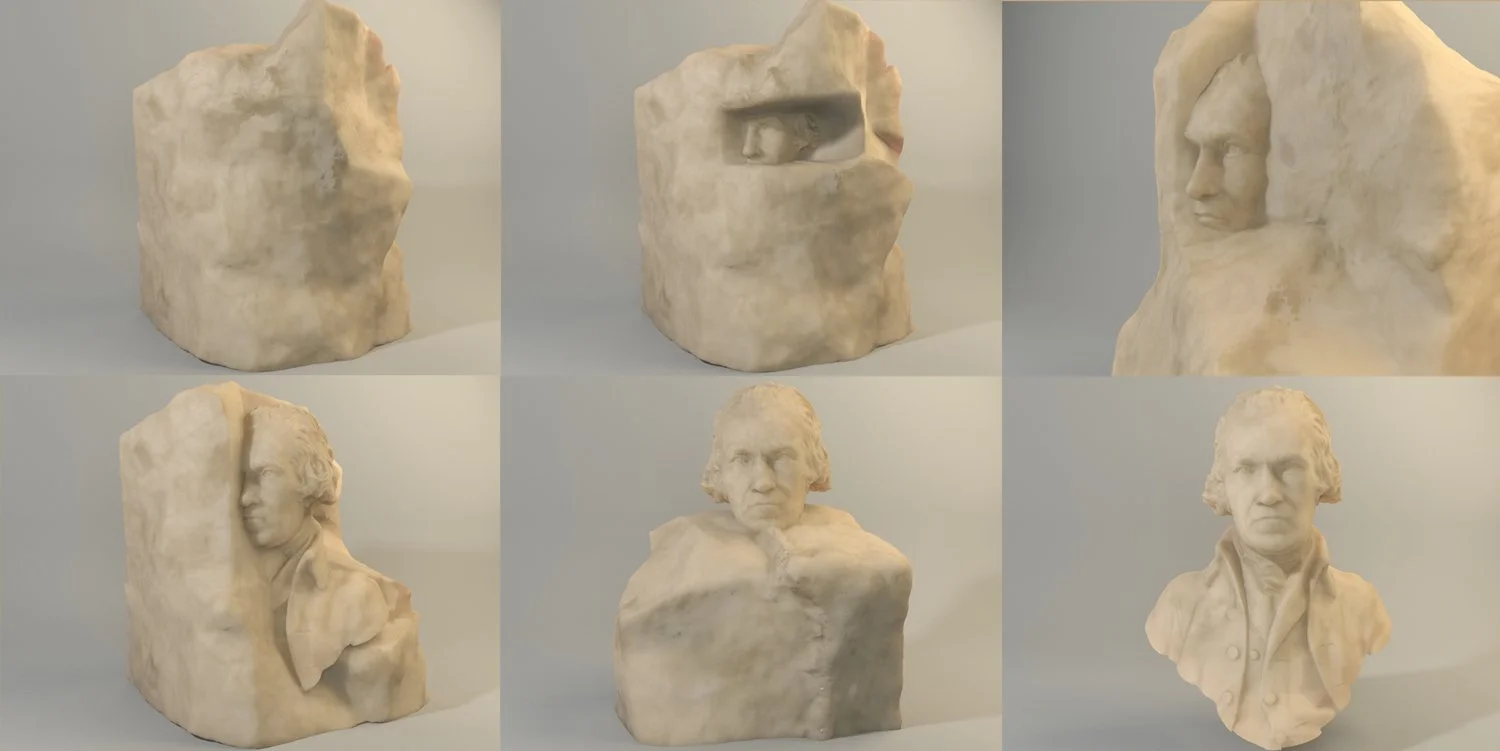
Pre-vis from ‘Watts Workshop’ for The Science Museum
But let’s be honest… When we create something truly ‘new’, it doesn’t have to be something ‘never seen before in the history of human art’. It’s more likely to be something ‘new for this audience, in this context, at this moment, for this reason…’. In our case, animation has always built on tradition - from timing principles to design language. These are things AI can learn. But what makes something ‘new’ is not the raw material but the interpretation: the humour, the pacing, the careful movement of a character’s eyes, the brutality of the edit, the pointed silence of the score… These are decisions made with empathy, taste, and intuition. They are choices that come from people, not from pattern.
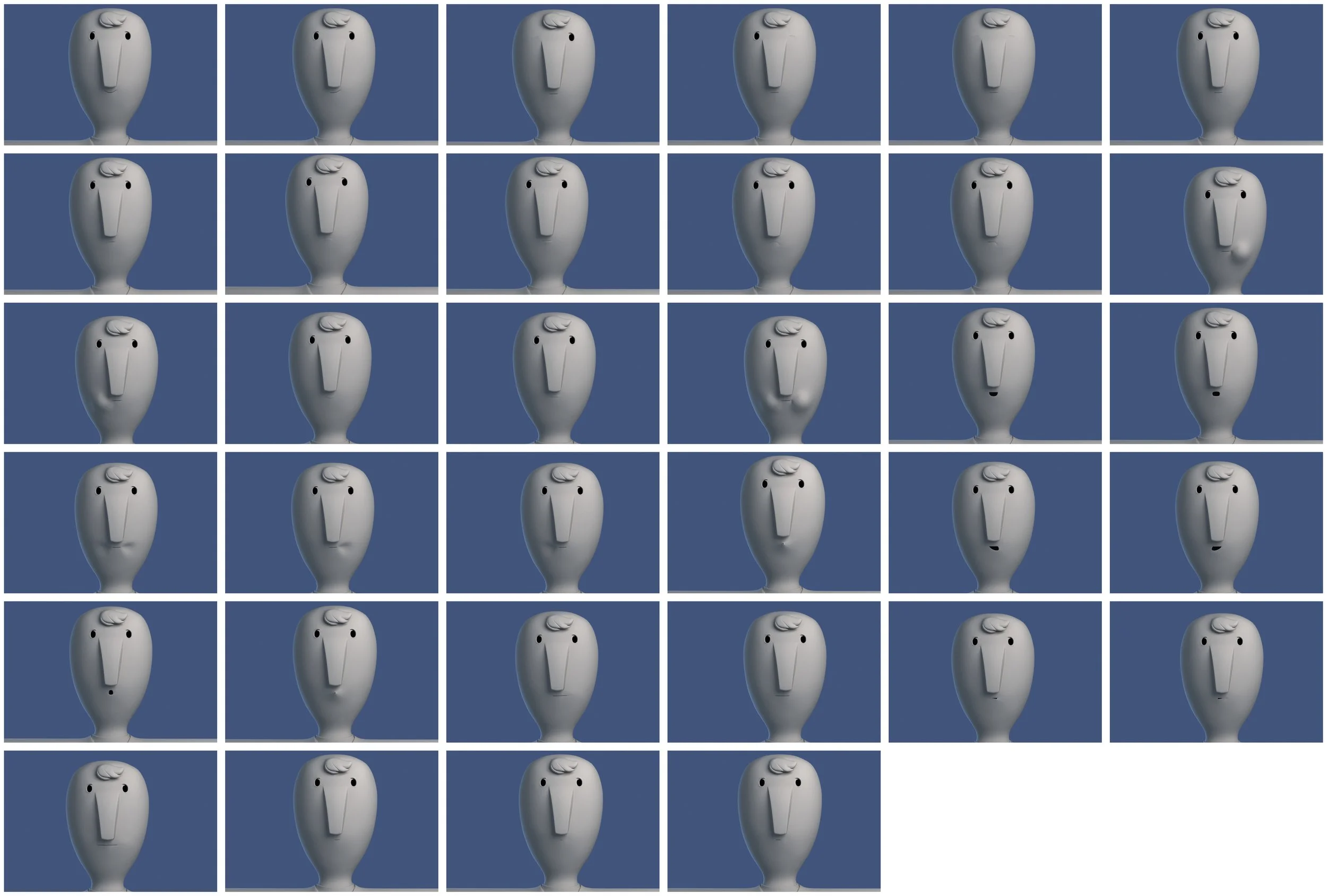
Blendshapes from ‘A Little Grey’
AI accelerates the lifecycle of ideas. A trend emerges, spreads, peaks, and collapses in moments. Visual styles that once took years to evolve now exhaust themselves almost instantly because models replicate them effortlessly and endlessly. When every tool can mimic a trend on demand, the trend stops feeling original. It becomes noise. Ideas get old fast because repetition has become so efficient.
To stay original in this environment, we must avoid letting the tool dictate the work. We use technology to support our process, not define it. Our focus remains on storytelling shaped by human judgement, delivering animation that carries intention, charm, and a sense of personality that cannot be averaged out.
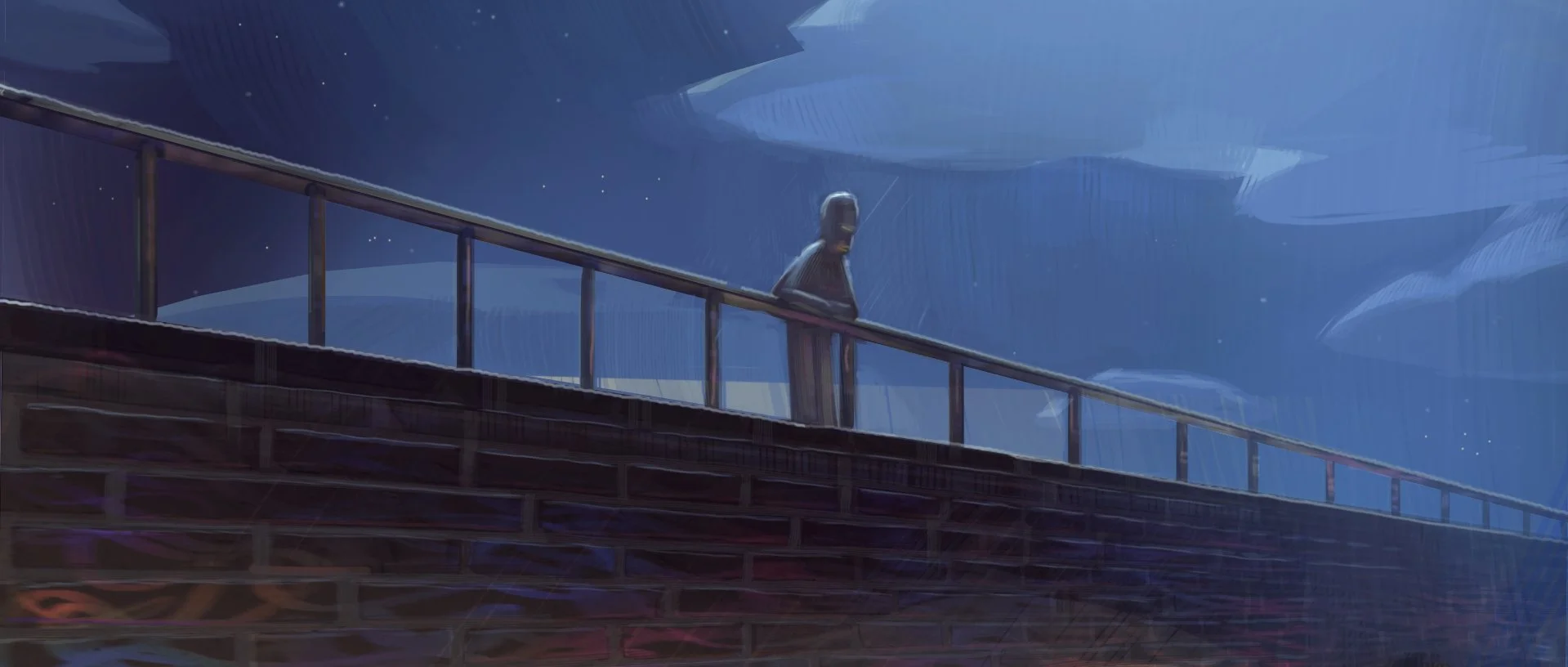
Pre-vis from ‘A Little Grey’
Originality may be harder to find, but it has not disappeared. It simply requires more care. It asks us to resist the middle-line and push for something with viewpoint. If AI homogenises because anyone can do it, then originality survives precisely because we choose not to.
Our work has always been created by humans using tech as our assistant. Most animation is digital, after all. But our intention is always clear: to create something new and original for the specific purposes of our client and their brief. There’s nothing fragile about that!
If this strikes a chord, find me on linkedin and let’s continue the discussion…
Related reading: our position on AI in animation, and why we commit to human-made work.
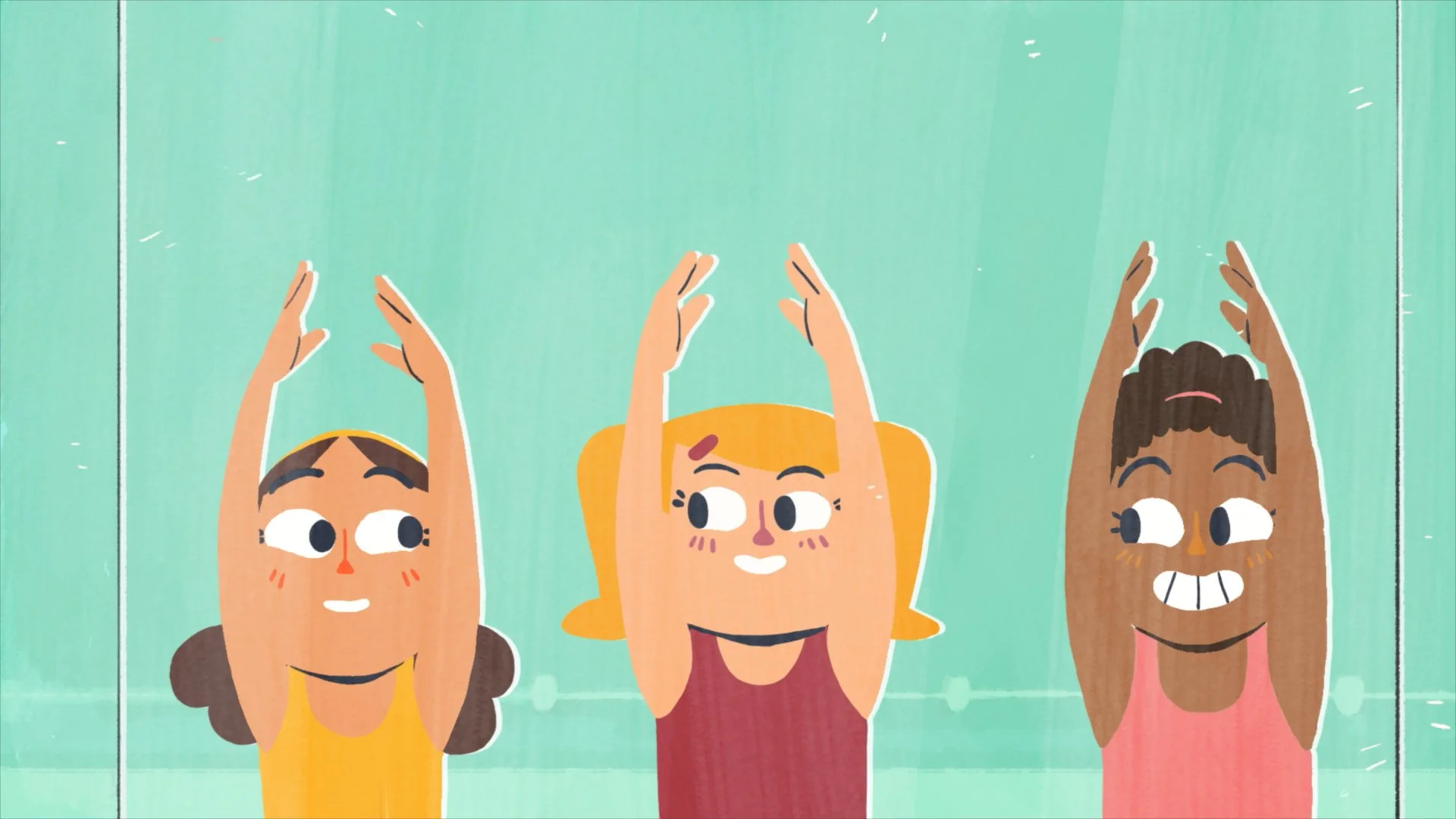
Still from ‘Lifebabble’ for CBBC